
The bridge from PT to strong.
Post-PT personal training serves as a specialized, clinic-grade bridge between discharging from physical therapy and returning to independence, ensuring a safe recovery and long-term functional health. It bridges the gap between rehabilitation and full fitness, preventing re-injury by focusing on rebuilding strength, mobility, and confidence under professional guidance.
- ✔ Continuity of movement quality from PT clinic into a strength environment.
- ✔ SuperSlow tempo is exactly what your PT used: no momentum, every rep watched.
- ✔ Many PTs in Sonoma County refer their post-discharge clients here.
What PT finished, we continue.
Physical therapy is built to a clinical endpoint: out of acute pain, back to a functional baseline, discharged. What it does not always do is rebuild the strength, range, and confidence that the original injury or surgery cost you. That is the gap post-PT training is built to close. Read more on supervised strength training in rehabilitation and recovery.
The slow-tempo, supervised approach we use is methodologically the closest thing to your PT's protocol that exists outside a clinic. Superslow training is a slow-movement, high-control form of resistance training that focuses on precise muscle engagement, minimizing momentum, and optimizing time under tension. Our deeper post on SuperSlow after PT walks through the transition in detail.
For adults transitioning out of PT, SuperSlow offers a safe and structured way to rebuild strength, restore confidence, and continue healing without risking re-injury. Many older adults and individuals recovering from injuries are choosing SuperSlow over traditional strength training because it emphasizes safety, control, and steady progress.
Clinic-grade,
without the clinic.
- i.State of the art Nautilus, Matrix and MedX machines, all of which let us limit range of motion and isolate specific joints to work around restrictions.
- ii.Maximum four people on the floor at any time. No waiting. No distractions. No one rushing you off a machine.
- iii.A trainer with you for every rep, watching the same things your PT was watching: tempo, range, joint position, breath.
- iv.Same trainer, same time, same machines every week. Continuity is what restores confidence after an injury.
We follow their restrictions.
If your PT has set restrictions on weight, range, or specific movements, we follow them, period. We are happy to receive notes, coordinate by phone, or simply work from a written discharge summary. The first session is always a careful intake and cautious introduction to the process.
Once the dust settles, you and your trainer build forward together. The same trainer that knows your body. The same room with equipment that you've become familiar with. Slow and methodical progression is what allows most of our clients to continue achieving results for years.
Post-PT FAQ.
Common questions from clients transitioning out of physical therapy.
Book your free session →What is post-PT personal training?
Why SuperSlow specifically after PT?
Will my physical therapist approve?
What about chronic pain that never fully resolved?
How is this different from a regular gym?
If you came in through PT.
Strength training is one of the most-evidenced interventions for chronic back pain.
Back pain training →If you came through PT after a fracture, this is the natural next step.
Osteoporosis training →Same trainer, same room, same continuity you had at the clinic.
Private training →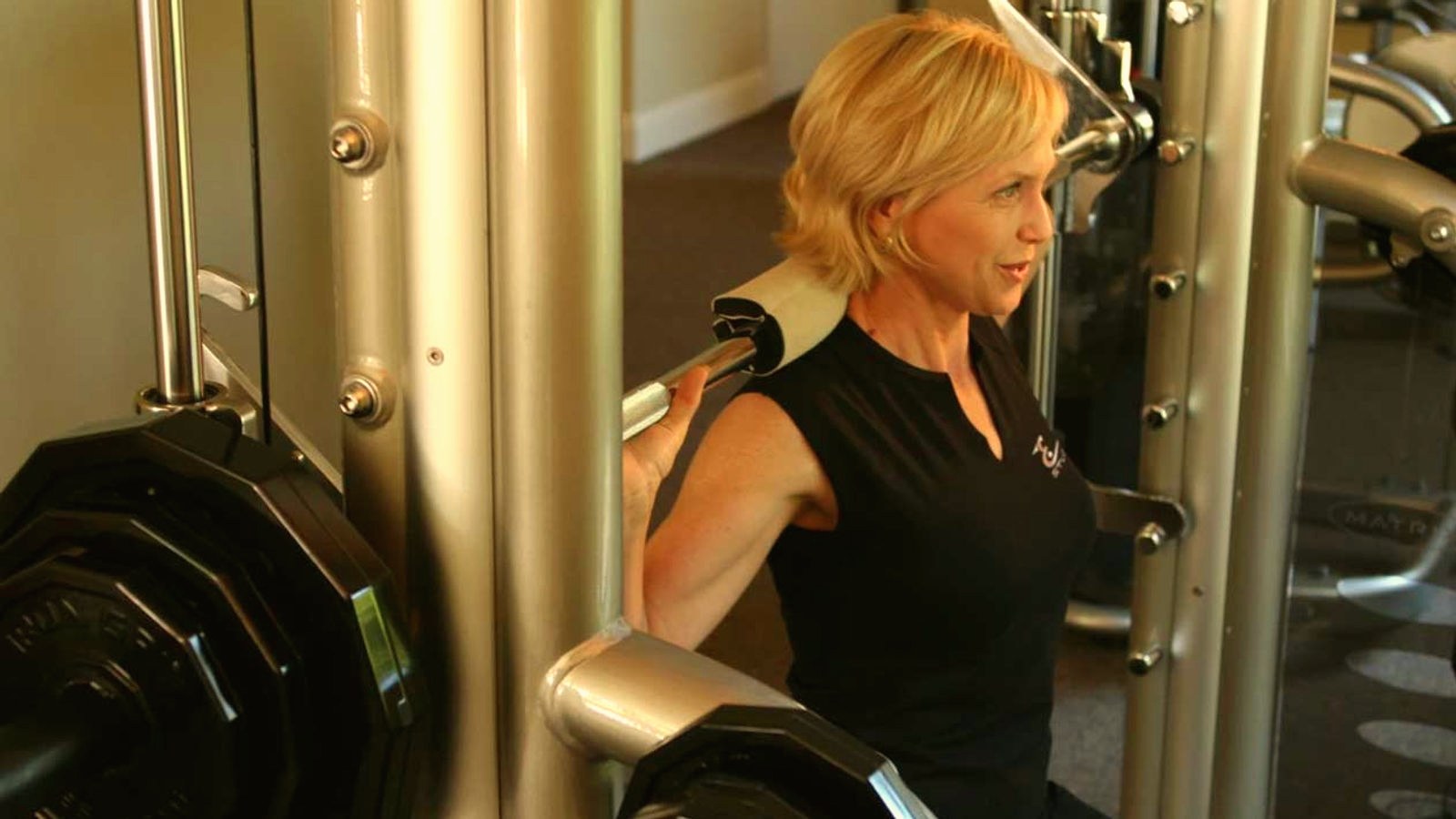
One careful session.
Discuss your concerns with one of our seasoned trainers. We will walk through your medical history before we touch a machine. No obligation, no pressure, no contract.
Book your free session →