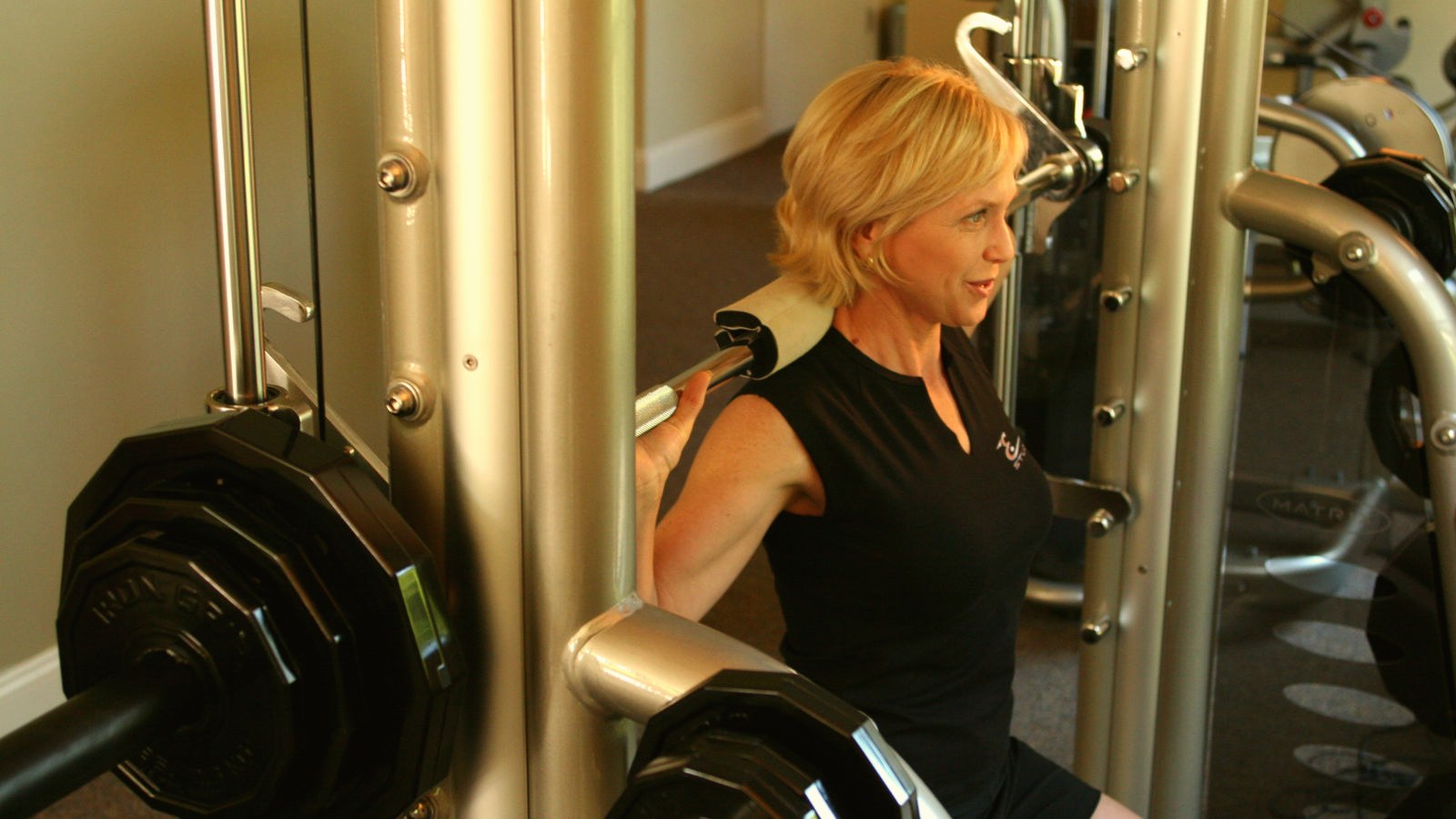
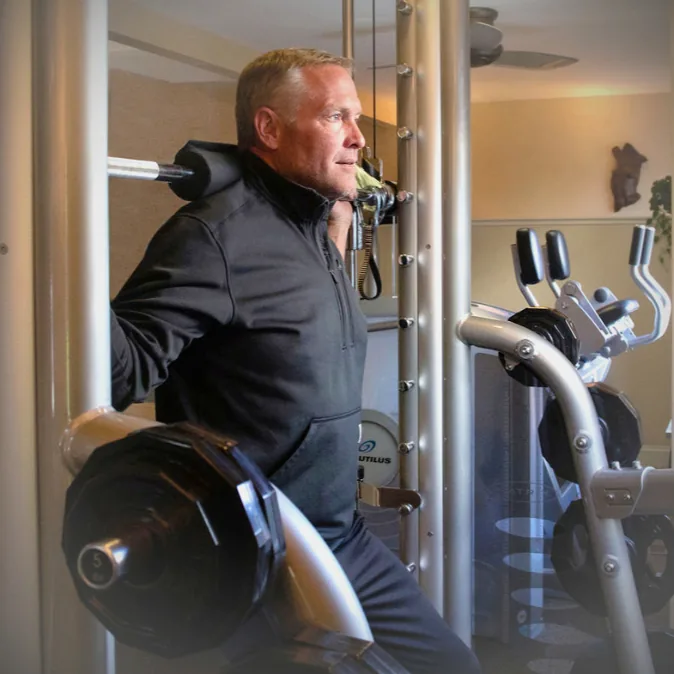
Many people believe they're "exercising enough" because they walk regularly, garden, cycle on weekends, or stay active with daily tasks they enjoy. These enjoyable activities absolutely support mental well-being and movement, but they are not the same as intentional strength training.
The adults in Santa Rosa and across Sonoma County juggle busy schedules, careers, joint sensitivities, and longevity goals; understanding this distinction becomes more important than ever.
Strength training is what creates lasting, measurable improvements in muscle, bone density, and functional independence. Enjoyable activities contribute to overall health, but don't provide the consistent, progressive resistance the body needs to get stronger over time.
That's where slow-motion strength training stands out. It offers a joint-friendly, efficient, and sustainable way to build strength in as little as one 30-minute session per week, all without the wear and tear of traditional workouts.
Enjoyable Activities vs Strength Training: Why the Difference Matters
Both forms of movement play valuable roles in lifelong health, but they serve different purposes.
What are "Enjoyable Activities"?
These include the movements people naturally do or choose because they feel good:
- Walking for relaxation or fresh air
- Hiking the Sonoma County parks
- Gardening or yard work
- Dancing, light biking, or recreational sports
- Swimming casually in the summer
Enjoyable activities are great for:
- Supporting cardiovascular health
- Reducing stress
- Improving mobility through gentle movement
- Boosting mood and energy
- Encouraging consistency because they don't feel like "exercise."
However, they lack one essential ingredient: progressive resistance, the challenge that forces muscle fibers to adapt and strengthen.
Why Strength Training Is Essential for Lasting Fitness
Strength training is a structured, targeted process that intentionally challenges muscle fibers to grow stronger. Unlike general movement, it creates:
- Increased muscle mass
- Stronger bones
- Better joint stability
- Higher metabolism
- Improved balance and fall-prevention
- More independence in daily tasks
These benefits are not accidental; they're the result of consistent muscle overload using controlled resistance.
And for busy adults or those who want to improve strength without injury, slow-motion strength training is one of the safest, most efficient options available.
Maintaining strong cardiovascular health becomes increasingly important with age, and many older adults look for an exercise method that is safe, effective, and gentle on the body. This guide explains how SuperSlow Training boosts heart health.
Slow-Motion Strength Training: A Smarter Way to Get Stronger
Slow-motion strength training uses:
- Very slow lifting and lowering
- Controlled form
- Reduced momentum
- High muscle engagement
- Fewer repetitions for maximum effect
This method works well for:
- Adults with limited time
- People who want joint-friendly workouts
- Anyone recovering from previous exercise-overload injuries
- Older adults looking to rebuild strength without fear of strain
- Those seeking a predictable, measurable fitness routine
Instead of pushing through fast, repetitive movements, slow-motion strength training focuses on quality over quantity, transforming a short session into a powerful stimulus for strength and longevity.
Enjoyable Activities vs Strength Training at a Glance
Primary Purpose
- Enjoyable Activities: Movement for enjoyment, stress relief, and social engagement.
- Slow-Motion Strength Training: Building muscle, strength, and long-term functional fitness.
Intensity
- Enjoyable Activities: Low to moderate.
- Slow-Motion Strength Training: High muscular engagement with controlled load.
Joint Impact
- Enjoyable Activities: Generally low-impact.
- Slow-Motion Strength Training: Very low-impact due to slow, deliberate movements.
Progress Tracking
- Enjoyable Activities: Harder to measure.
- Slow-Motion Strength Training: Highly measurable (weights, time under tension).
Strength Gains
- Enjoyable Activities: Minimal.
- Slow-Motion Strength Training: Significant and progressive.
Time Needed
- Enjoyable Activities: Varies; often longer.
- Slow-Motion Strength Training: 30 minutes once a week.
Best For
- Enjoyable Activities: Wellness, mood, casual activity.
- Slow-Motion Strength Training: Longevity, strength, independence.
Both forms matter, but they work in different ways. Most adults need both, yet only one of them will determine how strong, stable, and capable your body will be 10, 20, or 30 years from now.
As we age, maintaining physical fitness becomes vital for overall health and quality of life. The slow-motion training for seniors lets them control movements safely and effectively to build strength.
Why Many Adults Rely on Activities but Still Lose Strength
Even in active communities like Santa Rosa, many people notice:
- They walk often but still feel weaker
- They stay active socially but lose muscle tone
- Their balance or stability declines with age
- They exercise regularly but have no measurable strength improvement
This happens because enjoyable activities rarely push muscles near their full capacity, which is required for strength gain.
Slow-motion strength training fills that gap safely, giving your body:
- Enough resistance to stimulate growth
- Controlled movements to avoid injury
- A structured plan that supports real progress
Why Slow-Motion Strength Training Fits Busy, Health-Conscious Adults
1. Time-Efficient
One focused session can replace multiple traditional gym workouts because the slower tempo increases muscle activation per minute.
2. Joint-Friendly
The absence of momentum prevents sudden strain, making it accessible for those with joint pain, past injuries, or age-related limitations.
3. Low Emotional and Physical Burnout
The predictable format helps people stay consistent without the intimidation or exhaustion traditional gyms can cause.
4. Personalized for Every Body
Weights, pace, and equipment can be adjusted to individual needs, important for adults with varied fitness histories.
5. Builds Confidence
Seeing strength progress each week reinforces a sense of control and self-belief.
Real-Life Example: A Typical Week in Sonoma County
Imagine an adult living in Santa Rosa who:
- Hikes Annadel
- Walks downtown or along the Sonoma County trails
- Bikes recreationally on weekends
- Enjoys gardening during warm months
They're active. They're moving. But they may still notice:
- Difficulty lifting heavy items
- Decreased energy
- Lower back or knee sensitivity
- Less muscle definition
- More daily fatigue
Adding one weekly slow-motion strength session creates a foundation of strength supporting all their favorite activities, making them more enjoyable and sustainable.
How Strength Training Supports Your Enjoyable Activities
Strength training isn't meant to replace the activities you love. It enhances them.
- It makes walking easier: Stronger legs and better hip stability reduce soreness and fatigue.
- It helps you hike longer: Improved endurance and balance transform steep terrain into safer, more manageable movement.
- It supports gardening: Better core strength prevents back strain, and stronger upper body muscles make lifting tools or soil safer.
- It boosts bicycling comfort: Leg strength increases power output while improving joint protection.
- It helps maintain independence: Activities of daily living, from carrying groceries to climbing stairs, become easier with stronger muscles.
Strength training is the silent foundation that makes your lifestyle possible.
A Balanced Routine for Lifelong Fitness
A healthy, sustainable fitness routine in Santa Rosa could look like this:
- One slow-motion strength training session weekly
- Enjoyable activities like walking, gardening, or hiking
- Optional light cardio or mobility work for heart health and flexibility
This balanced approach checks every box:
- Strength: Helps you build the muscle and stability needed to move confidently and stay physically capable as you age.
- Mobility: Improves the flexibility and joint range of motion that keep everyday activities comfortable and pain-free.
- Longevity: Supports long-term health by protecting bone density, metabolic function, and overall independence.
- Enjoyment: Keeps movement sustainable by allowing you to stay active in ways that feel good instead of feeling like a chore.
- Consistency: Encourages long-term fitness success by creating routines you can maintain week after week, even with a busy schedule.
And it does so without overwhelming your schedule or demanding high-impact workouts.
Take the First Step Toward Lasting Strength
If you are ready to feel stronger, more confident, and supported by a method built for real-life adults, E Studio offers a welcoming place to start. Our personalized slow-motion strength training program shows how one 30-minute session a week can genuinely change your life, especially when paired with the activities you already love.
Start your free trial with one of our personal trainers in Santa Rosa, CA, today.
FAQ
1. Is walking or hiking considered strength training?
Walking and hiking are excellent, enjoyable activities that support heart health and mobility, but they do not provide the progressive resistance required to build muscle strength. They complement strength training but don't replace it.
2. Why do adults need strength training if they already stay active?
Staying active helps with overall movement, but intentional strength training builds muscle, protects joints, increases bone density, and improves long-term independence, benefits that enjoyable activities alone can't create.
3. Is slow-motion strength training good for people with joint issues or past injuries?
Yes. Slow-motion strength training reduces momentum, which lowers joint stress and allows controlled movement. This makes it a joint-friendly alternative for adults who want to get stronger without risking re-injury.
4. How long does it take to see results from slow-motion strength training?
Many people notice improvements in strength, stability, and energy within a few weeks because the slow, controlled tempo keeps muscles under tension long enough to stimulate real change even with just one weekly session.
5. What's the main difference between enjoyable activities and structured strength training?
Enjoyable activities keep you moving and support emotional well-being, while structured strength training is designed to progressively challenge muscles. Only strength training improves muscle mass, bone density, and long-term functional fitness.