Osteoporosis is a silent yet formidable health issue for many older adults. Characterized by thinning bones, increased fragility, and a higher risk of fractures, the condition affects millions, and its impact on quality of life cannot be ignored. Fortunately, research increasingly shows that resistance training for osteoporosis is not just beneficial, but essential. At the same time, when the method is tailored properly, such as the slow-movement style practice, it becomes safe, effective, and accessible even for older clients.
The Challenge of Osteoporosis in Older Adults
As we age, our bones gradually lose density. Factors like menopause (for women), reduced physical activity, nutritional deficiencies, and hormonal changes all contribute. The result: bones that are weaker, more prone to fractures, and slower to heal. According to expert reviews, resistance training can help mitigate this decline and improve bone mineral density (BMD) in older adults, especially at the lumbar spine and femoral neck.
Why Resistance Training to Prevent Osteoporosis Works
When you engage in strength training, you apply loads to your muscles and bones. This mechanical stress stimulates bone remodelling, the process by which bone adapts and becomes stronger. As explained by a health expert of Healthline, "resistance training … can strengthen your bones and decrease your risk of fractures." Further research indicates that resistance training enhances physical function, balance, and muscle strength in older adults, even those already diagnosed with osteoporosis or osteopenia. Stronger muscles support better posture, improved balance, and reduce the risk of falling. Healthier bones mean fewer fractures making daily life safer and more independent.
Why Slow-Movement Strength Training Should Be Your First Recourse
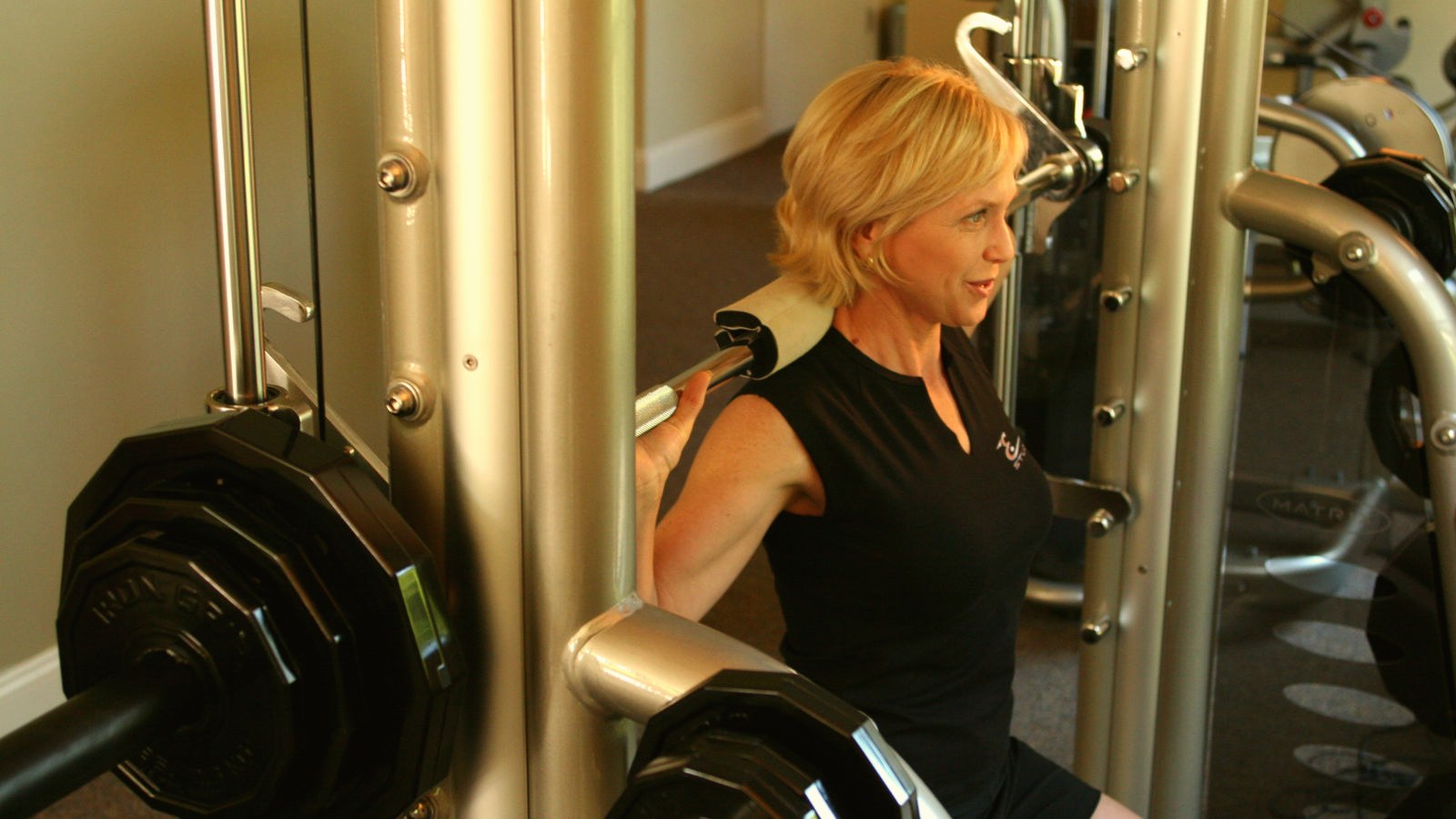
While traditional 'heavy lifting' or high-impact exercise can be effective, it may not be appropriate or safe for many older adults, especially those with compromised bone health or joint issues. That's where slow-movement resistance training comes in. The method emphasizes controlled, measured lifts and descents, reducing momentum and ensuring each rep engages muscles and bones thoroughly, while lowering injury risk. At E Studio Personal Training in Santa Rosa, CA, personal trainers supervise these slow-movement sessions to ensure proper form, pace, and intensity, making this form of exercise the right choice for osteoporosis prevention in older adults.
Benefits of Slow-Movement Resistance Training for Bone Health
- Reduced risk of injury: Controlled movement minimizes strain on joints and connective tissue, a major advantage for older adults.
- Maximized time under tension: Slower reps increase muscle activation and bone stimulus, which supports bone remodelling.
- Improved balance and core stability: Many slow-movement exercises require focus on posture and stability, which improves fall resistance.
- Efficient use of time: Sessions can be shorter, ideal for mature adults who prefer focused 20–30 minute workouts.
- Supports long-term adherence: The supervised, low risk nature increases confidence, helping older adults stay consistent, which is critical when managing osteoporosis.
Understanding the connection between muscle and brain health can be a powerful motivator for lifelong fitness. Read how building muscle can fight cognitive decline, help improve brain structure, reduce risk factors for cognitive decline, and enhance brain function.
How To Get Started and What to Look For
If you're considering adopting slow-movement resistance training as a strategy for preventing or managing osteoporosis, here are the key steps:
- Get medical clearance: Always consult your physician, especially if you have existing bone, joint, or cardiovascular conditions.
- Choose a qualified trainer: Working with professionals who understand slow-movement methods ensures safety and effectiveness.
- Focus on form and the slow tempo: Exercises should be performed deliberately, typically a lift of 10–12 seconds and a descent of 5–8 seconds.
- Prioritize major muscle groups and bone-loading movements: Exercises like slow squats, chest presses, or other compound movements maintain bone stress. Meta-analyses show that high-intensity resistance training has a significant effect on BMD in older adults.
- Be consistent: Gains in bone density and strength accrue over time. Studies show longer training durations (12+ weeks) yield better results.
- Adapt and progress safely: As strength improves, gradually challenge bones and muscles. This might involve increased resistance or more time under tension.
Why It Matters for Seniors
Maintaining independence, avoiding fractures, and enjoying mobility are all critical goals for older adults. Weak bones don't just increase fracture risk; they affect confidence, daily functioning, and freedom. Slow-movement resistance training addresses these issues comprehensively: it builds bone strength, enhances muscle power, improves balance, and supports overall quality of life. Note: This training forces muscles to work continuously under tension, optimizing muscle engagement while minimizing injury risk. Learn how superslow exercise for seniors can be a real game-changer.
Conclusion
If you're looking for a solid, first-line defense against osteoporosis, resistance training for osteoporosis, especially in the form of slow-movement strength training, is one of the most evidence-based and accessible strategies. With the right support, guidance, and consistency, older adults can strengthen their bones, reduce fracture risk, and stay active for longer. For those based in Santa Rosa, CA, E Studio Personal Training offers specialized slow-movement resistance sessions tailored to older clients looking for a safe, effective approach. Schedule your free trial workout session and find out how a 30-minute workout once a week can change your life.
FAQs
Q1: Why is resistance training important for osteoporosis?
Resistance training applies load to muscles and bones, triggering the bone-remodelling process and increasing bone mineral density, helping reduce fracture risk.
Q2: Is strength training good for osteoporosis?
Yes. Research shows that properly structured strength training improves bone density, muscle strength, balance, and functional ability in older adults with or at risk for osteoporosis.
Q3: At what frequency should older adults do resistance training to prevent osteoporosis?
Most research recommends 1–2 resistance training sessions per week with appropriate intensity. Higher intensity and longer duration programs show stronger impacts on bone density.
Q4: Can slow-movement resistance training be as effective as high-impact exercise for bone health?
While high-impact and high-load exercises may deliver larger gains, slow-movement resistance training offers a safer and more accessible alternative for older adults and while still effectively supporting bone health.
Q5: Do I need special equipment or machines to start slow movement training for osteoporosis?
No. While gym machines can help, you can start with bodyweight resistance, or light dumbbells, and always under professional supervision for safe form and progression.