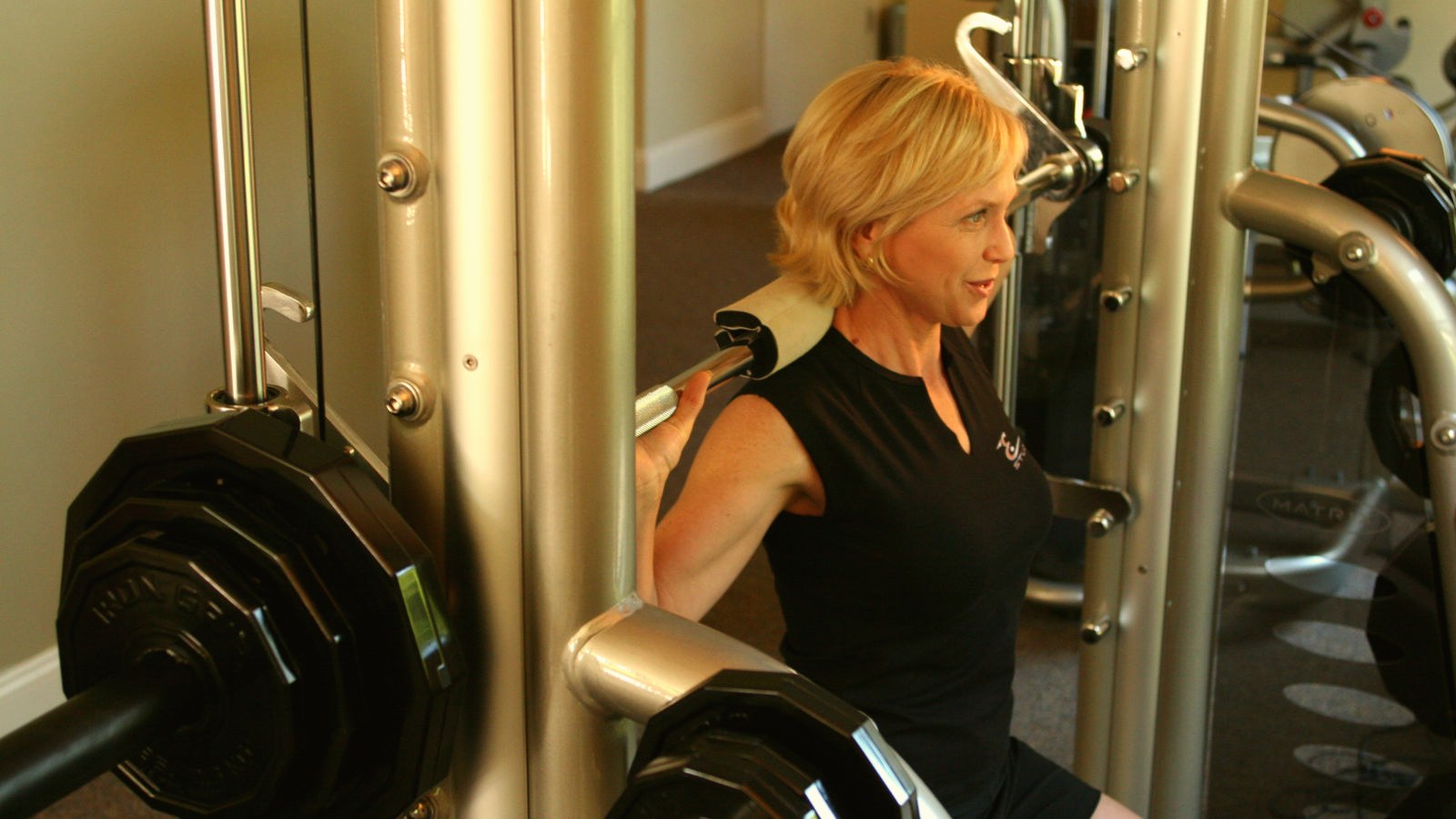
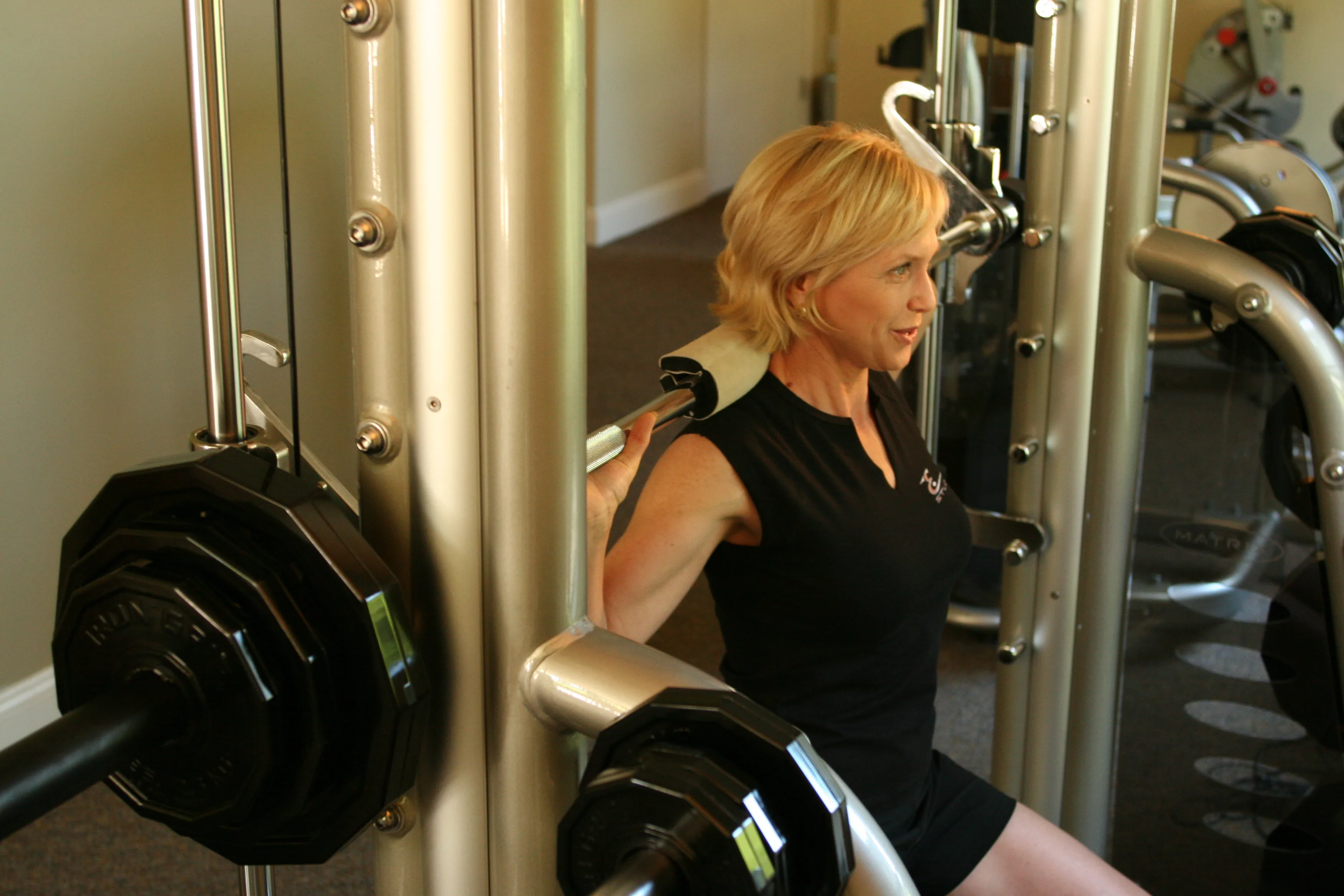
In the world of fitness, innovation, and research are constantly shaping how we approach health and wellness. One of the most groundbreaking methods gaining traction today is the slow-movement exercise. This technique, exemplified by approaches like the Super Slow method, focuses on deliberate, controlled movements to maximize muscle engagement and minimize the risk of injury. As more people seek efficient and effective ways to stay fit, slow motion strength training exercise is emerging as the future of fitness. Let's explore more about the science behind it, how it compares to traditional workouts, and its unique benefits.
What Is Slow Movement Exercise?
Slow movement exercise involves performing each repetition of a workout at a significantly reduced pace. Instead of quickly moving the weights, you focus on controlled, deliberate movements, often taking 10 seconds or more for both the lifting (concentric) and lowering (eccentric) phases of an exercise. This method emphasizes precision and proper form, ensuring that muscles are fully engaged throughout the movement. The approach is rooted in principles of time under tension (TUT), a concept in exercise science that suggests the amount of time muscles are under strain influences strength and hypertrophy (muscle growth). By slowing down movements, you extend TUT, leading to more effective muscle activation. This slow movement & high-intensity strength training method yields more muscle in less time, and you can learn how it is effective here.
How It Compares to Traditional Workouts
Traditional workouts often involve faster-paced repetitions resulting in less intensity. These workouts prioritize speed or volume over form, increasing the risk of injury and putting unnecessary stress on joints. In contrast, slow movement exercises:
- Minimizes Momentum: Traditional workouts sometimes rely on momentum to complete reps, which can reduce muscle engagement. Slow movement eliminates this, ensuring muscles do the work.
- Reduces Injury Risk: The controlled pace allows for better focus on form, significantly lowering the risk of strains, sprains, and other injuries.
- Requires Less Equipment: Because the technique emphasizes controlled tension, you can achieve significant results with lighter weights or even bodyweight exercises.
- Time Efficiency: While traditional workouts often require longer sessions to achieve similar results, slow exercise sessions can be shorter while delivering equal or greater benefits.
The Benefits of Slow Movement Exercise
Enhanced Muscle Activation
When you perform slow, deliberate movements, muscles are continuously engaged throughout the entire range of motion. This leads to improved strength gains and muscle tone compared to faster, less controlled exercises.
Increased Safety
Slow movement exercise prioritizes proper form, reducing the likelihood of injuries. It's particularly beneficial for beginners, older adults, or individuals recovering from injuries who need a safer approach to fitness.
Improved Joint Health
By eliminating jerky, high-impact motions, this method is gentler on joints. It's ideal for people with arthritis or joint sensitivities who still want to maintain an active lifestyle.
Efficient Use of Time
Slow movement exercises deliver maximum results in minimal time. A 20- to 30-minute session once a week can produce significant improvements in strength and endurance.
Boosted Metabolism
Every pound of muscle burns 30-50 calories per day. The best way to stimulate the metabolism is to increase the amount of muscle tissue. The slow movement method focuses on bringing the muscles to fatigue, which efficiently increases muscle mass thereby promoting calorie burn and fat loss even after the workout is over.
Mental Focus and Mind-Body Connection
Slowing down the exercise movement speed requires more concentration, helping you develop a stronger mind-body connection. This can also make workouts feel more meditative and stress-relieving.
Why It's the Future of Fitness
As fitness trends evolve, people are looking for methods that balance efficiency, safety, and results. Slow movement exercise ticks all these boxes:
- Time-Saving: In today's fast-paced world, workouts that deliver results without hours in the gym are highly appealing.
- Accessible for All Ages: Unlike fast repetition workouts, slow movement exercises cater to a broader audience, including seniors and those with physical limitations.
- Backed by Science: Studies have shown that slow and controlled resistance training can produce equal or superior results compared to traditional methods, making it a scientifically validated approach.
- Focus on Longevity: As more people emphasize long-term health over short-term gains, safe and sustainable methods like these are becoming a priority.
Conclusion
Slow movement exercise is more than just a fitness trend; it's a science-backed approach to achieving maximum results with minimal risk. By focusing on controlled, deliberate movements, this method offers a safer, more efficient alternative to traditional workouts. Whether you are a seasoned athlete or just starting your fitness journey, slow movement exercise can help you achieve your goals while promoting overall health and wellness. As the fitness industry continues to embrace innovation, this form of exercise is proving to be a game-changer, one that prioritizes quality over quantity and longevity over quick fixes. If you are living in Santa Rosa, and looking for a personal trainer, click here to book a free session. Start living stronger today!